
The hidden injustice in our legal system
Every day, people experiencing homelessness face a double burden: not only must they navigate life without stable housing, but they must also contend with laws and regulations that disproportionately target and punish them for their circumstances. This isn’t just an oversight—it’s a systemic issue that pushes society’s most vulnerable further into the margins.
Stereotypical images of homeless people lead to persistent prejudices that are reinforced by laws punishing life-sustaining activities like sleeping rough, washing in public spaces, or seeking shelter—creating the criminalization of homelessness itself.
The ripple effects of punitive policies
When someone receives fines and a criminal record for activities directly related to their homelessness, they face additional barriers to employment, housing, and social services—creating a vicious cycle that makes escaping homelessness increasingly difficult.
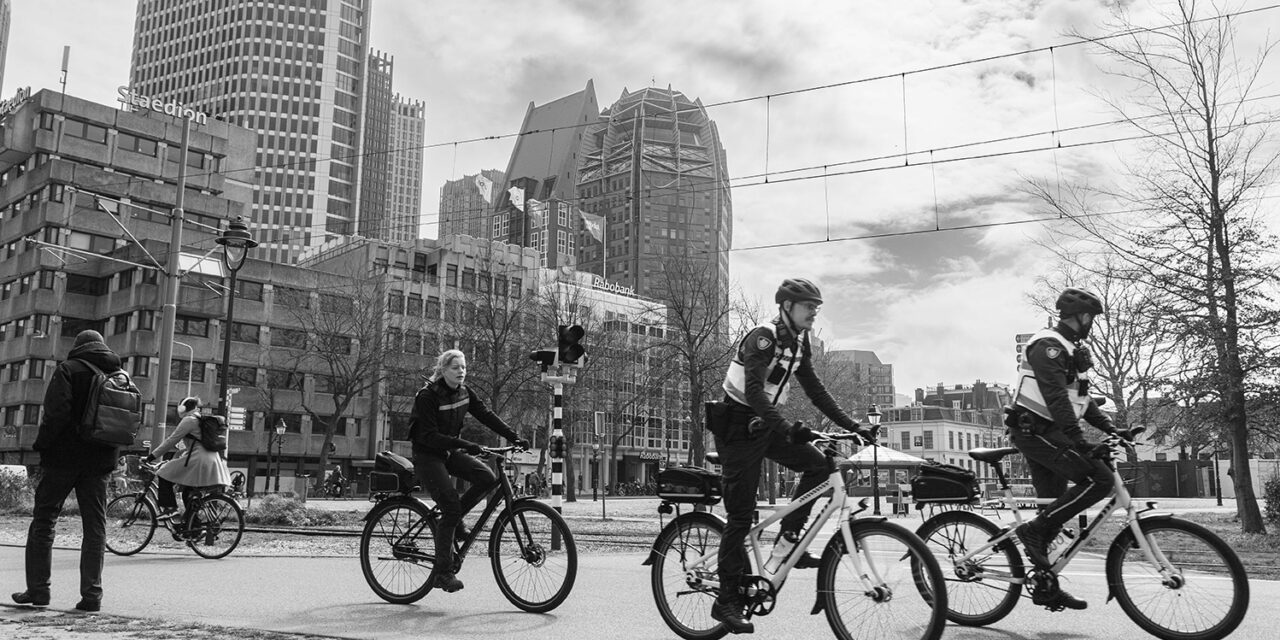
Consider the reality: activities that housed individuals perform privately—sleeping, eating, washing, storing belongings—become public acts subject to regulation and punishment when you have no home. The most well-known and visible punishment of homeless people takes place on the streets where people who sleep outside, or by necessity spend a lot of time on the streets, are fined for sleeping outside and (other) forms of (perceived) nuisance directly related to their homelessness.
A legal framework for change
Recognising this injustice, the Dutch National Action Plan on Homelessness (NAD) includes the action line ‘Countering stigmatisation’. The NAD formulates one of the actions to be taken as: ‘Investigate laws and regulations that contribute to the stigma of’ people who experience homelessness or at risk of experiencing homelessness.
In 2023, Straat Consulaat partnered with the Human Rights Law Clinic at Radboud University to address this challenge head-on. The central research question was: What should authorities consider when developing laws and regulations that may impact homeless people? What human rights frameworks apply?
The result is a comprehensive human rights assessment framework—a practical tool that can be used to assess both existing and future laws and regulations for their potential to stigmatize or criminalize homelessness.
The human rights imperative
The research reveals multiple human rights violations that can result from criminalizing homelessness:
- The right to non-discrimination: Lack of access to regular housing constitutes an “other status” under international human rights law, making discrimination against homeless individuals a clear violation.
- The right to life and dignity: Punishing people for survival-related activities when they have no other means of survival violates the right to an adequate standard of living.
- The right to privacy and home: Even temporary shelters—whether tents, sleeping bags, or makeshift accommodations—constitute a home for people experiencing homelessness.
Beyond punishment
If no adequate alternatives are available, all activities necessary to survive on the streets should be allowed. This principle recognizes that criminalizing life-sustaining activities without providing alternatives violates basic human dignity.
Internationally, stigmatisation of people experiencing homelessness, often in the form of criminalisation, is strongly condemned. The research demonstrates that discrimination based on social status and socioeconomic status is increasingly recognized as a prohibited ground of discrimination under international law.
A call for systemic change
When we criminalise homelessness, we don’t solve the problem—we make it worse. We create additional barriers for people already facing enormous challenges. People without housing are not suddenly going to do something different in response to regulations and measures. If measures repeatedly affect certain groups because they have no other choice, the measures miss the mark and create disproportionate disadvantage.
The framework shows how laws can address legitimate public concerns without targeting vulnerable populations. It demonstrates how meaningful participation by affected communities leads to better, more effective policies.
Moving forward
We call on governments at all levels to use this research to review and assess existing laws, train enforcement personnel, and include people with lived experience of homelessness in policymaking processes. Only through such comprehensive action can we move from a system that punishes poverty to one that addresses its root causes with dignity and respect.
The complete report “Stigmatisation and criminalisation of homelessness through regulation and policy” is available for download here. The report is also available in Dutch here.
